
Breeze Block by Jake Hawkey — Seaside Books

Breeze blocks form a lasting connection in the same way most other blocks and bricks do, via the use of binding materials like cement. Breeze blocks are used for a variety of purposes such as… Retaining walls; Load bearing walls; Partition walls; Garden Walls; Patios; And more. Is a breeze block better than a brick?
Breeze Block
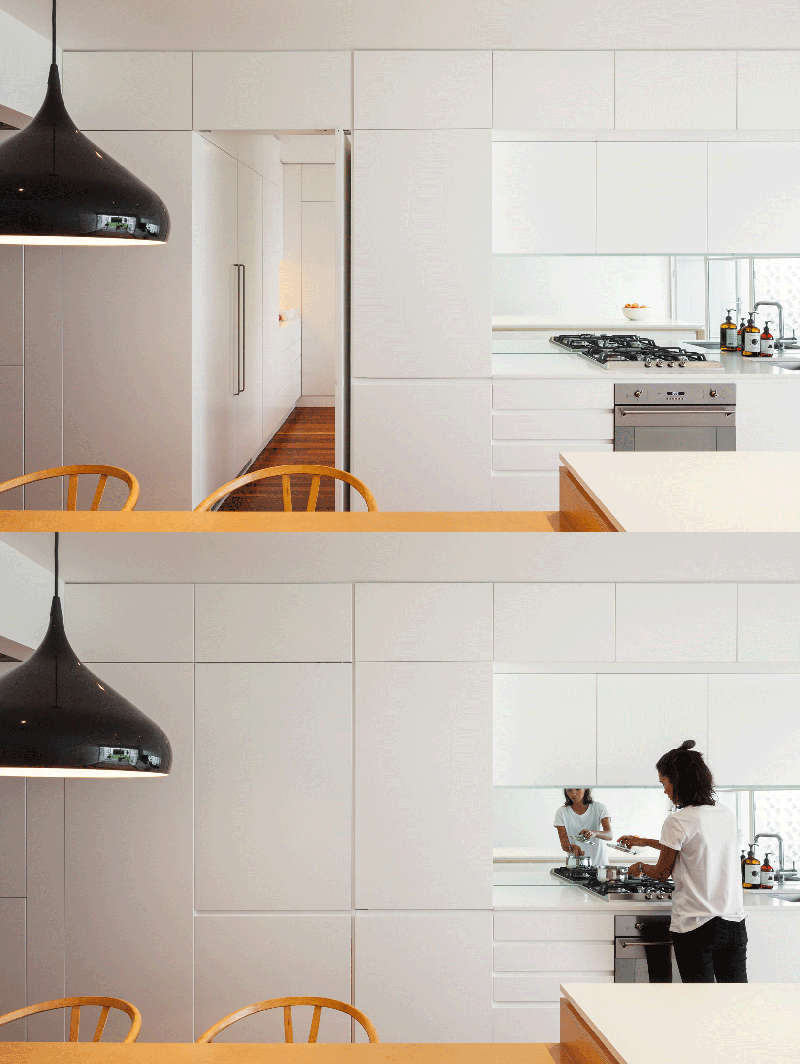
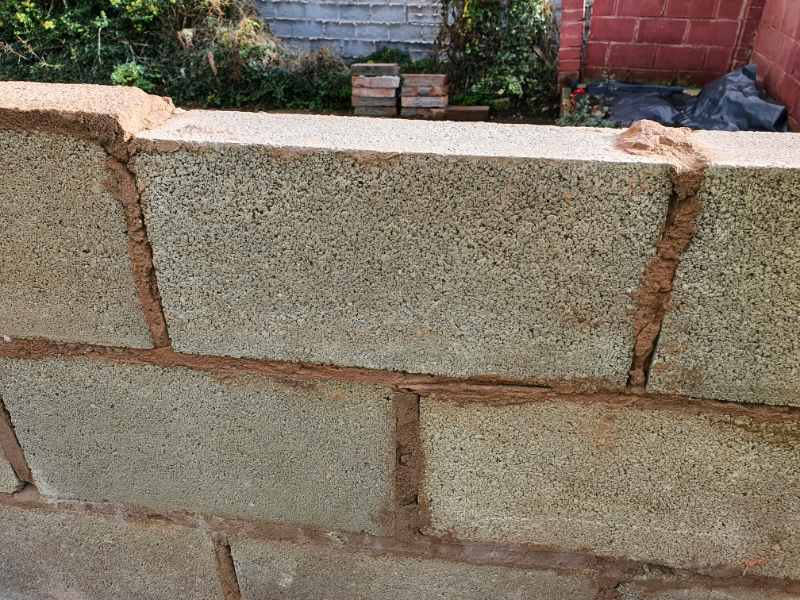
Place a level across the top of the block, and position the block until it's level. Apply mortar to the side of the second breeze block and place it into the mortar next to the first block, keeping about a 3/8" gap between the blocks. Place the level across both breeze blocks, and even them out if needed.
Breeze Block Eso Surfaces

RAAC was once seen as ideal for shaping into lighter, pre-formed concrete components, but over time the material has weakened, sagged and exacerbated problems in buildings.
BreezeBlock beverage coasters Minty's Design

RAAC: Advice and FAQs. This page contains answers to frequently asked questions and advice for the public and members regarding Reinforced Autoclaved Aerated Concrete (RAAC). The below link provides guidance from the government for responsible bodies and education settings with confirmed RAAC. Reinforced autoclaved aerated concrete: guidance.
Extraordinary Breeze Block Ideas For Beautiful Home Style 370 Breeze block wall, Concrete

RAAC, or reinforced autoclaved aerated concrete, is a type of concrete widely used in buildings during the second half of the 20th century.. These blocks and planks can then be used in.
Difference Between Cinder Blocks & Concrete Blocks

Reinforced Autoclaved Aerated Concrete (RAAC) is a 'bubbly' lightweight form of reinforced concrete that is manufactured with extremely fine aggregates meaning its structurally and physically different from traditional higher-density concretes. Although categorised as concrete, RAAC has a cellular-type construction that is formed by a.
"Breeze Block Two Single Orange Two" Poster for Sale by Owen1976 Redbubble

RAAC is a type of concrete that was used extensively within the construction of walls, floors and roofs between the 1950s and 1990s. RAAC became popular as a lightweight and lower cost alternative to concrete, and also offers good fire-resistant properties. It differs from traditional cement due to the lack of coarse aggregate and its aeration.
Breezeblock ubicaciondepersonas.cdmx.gob.mx
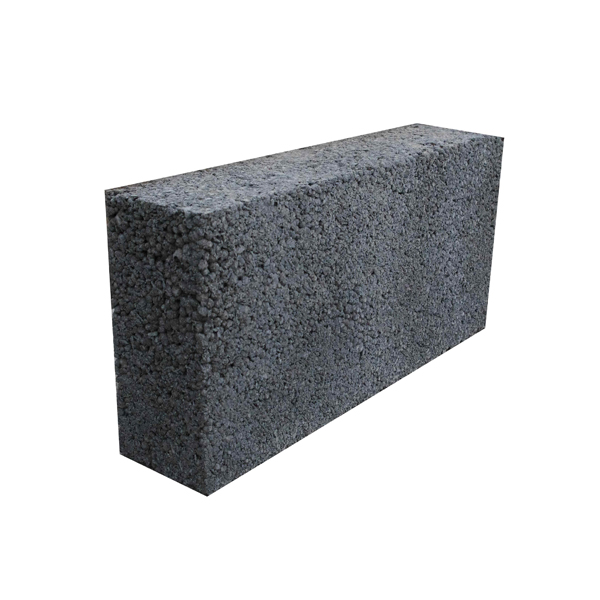
Lay the breeze blocks on the footing between the corner blocks. Apply mortar to the footing as you go, keep a 3/8" gap between the blocks and check them for level as you lay them. If you need to cut any blocks to fit, use a masonry wet saw and diamond blade. Lay the blocks until the wall reaches your desired height.
Tout savoir sur le retour marqué des Breeze Blocks en déco! Breeze blocks, Breeze block wall

and RAAC with the steel reinforcement in the wrong place, both of which can have structural implications. Prolonged water ingress (not uncommon on old flat roofs) can also lead to deterioration. Q: How widely used is RAAC in the UK? RAAC was commonly used in construction from the 1950s until the 1980s. Being light, robust and cost-effective as well
Breeze Line Evolution The Difference Between Breeze NXT and BP60
RAAC is a type of light-weight concrete that was used extensively in roof, wall and floor construction from the post-war period right up until the mid-1990s, but particularly between the 1950s-1970s, mainly because it was cheaper and easier to produce. It normally comes in long planks and can be difficult to survey or identify where it is.
Mur de Maçonnerie en parpaings de ciment avec la moitié de la construction d'un mur de
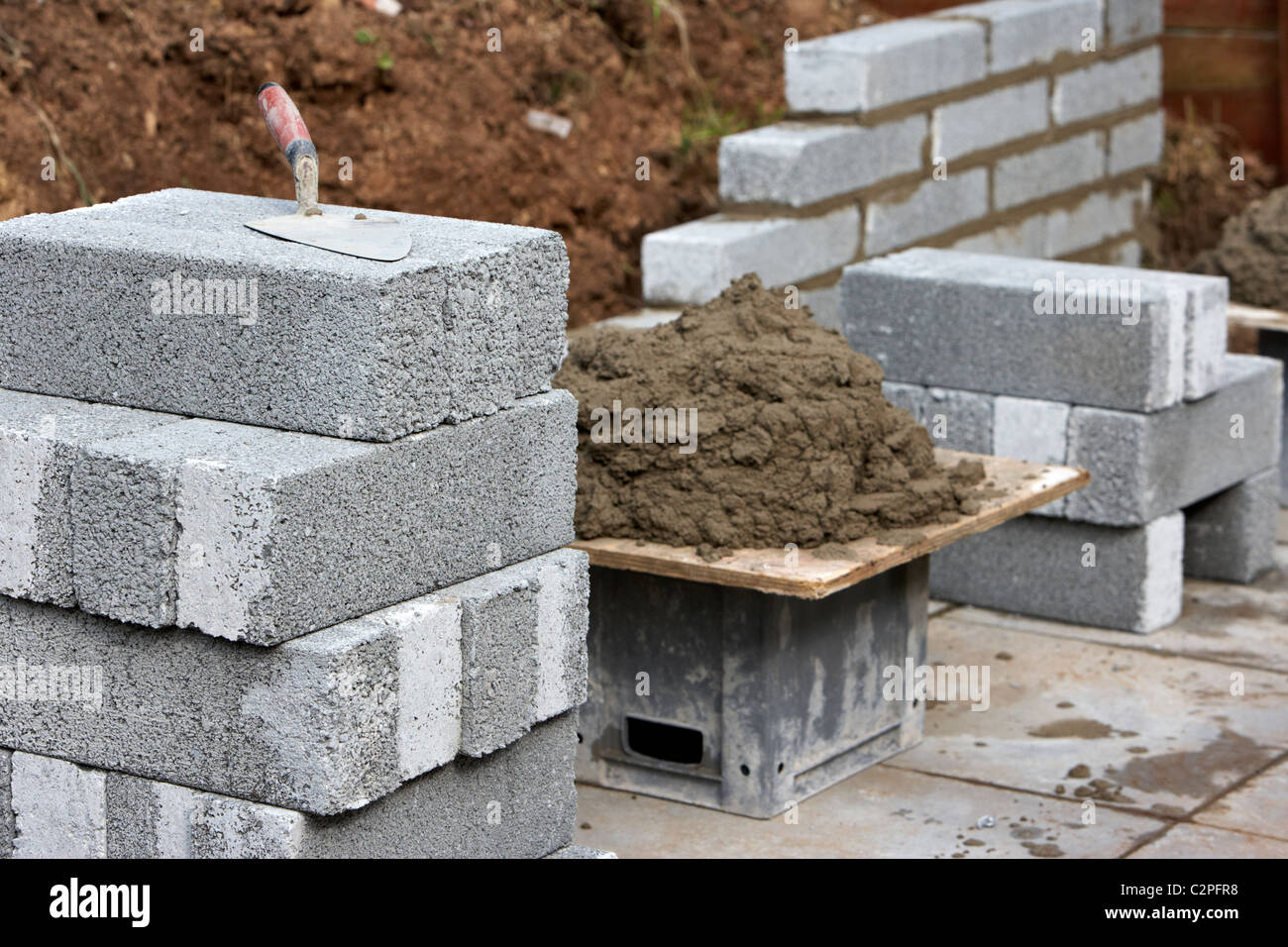
The RAAC planks are thought to be present in 26 hospitals, and the government has said seven of the worst affected will be replaced by 2030. In Scotland, more than 250 NHS buildings could have.
Breeze block concrete free in Sandwell, West Midlands Gumtree
What is Raac? Reinforced Autoclaved Aerated Concrete (Raac) is a lightweight form of concrete. The way that Raac is created makes it weaker than the normal building material. There is no coarse.
Breeze Blocks Flavio

In the same year the Cabinet Office's property team issued a formal warning notice stressing Raac was "now life-expired and liable to collapse". March 2022 - Raac problems aside, demand.
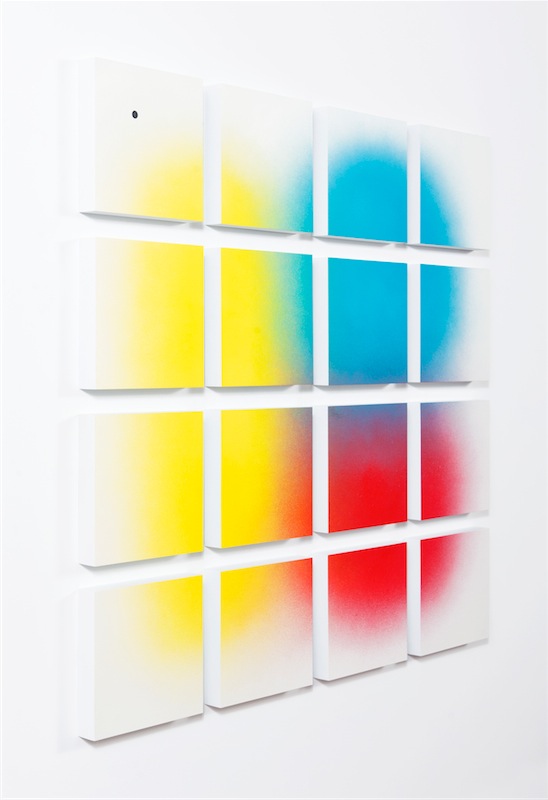
Preview “Three The Hard Way” Breeze Block Gallery « Arrested Motion
However, there is no central register of buildings with RAAC roof planks - or floor or wall panels - and so identification depends on local knowledge and independent inspections. Department for Education (DfE) guidance also outlines the following simple principles for identification purposes. Typically, panels are 600mm wide.
Interior Breeze Blocks An Inside Look Home

Reinforced Autoclaved Aerated Concrete (RACC) is a construction material. It is a lightweight precast concrete material that is made from sand, cement, lime, and aluminium powder. The manufacturing process of Raac involves mixing raw materials, pouring the mixture into moulds, and then subjecting it to a high-pressure autoclaving process which.
Squarepusher Breezeblock 1999 YouTube

RAAC planks in turn are effectively made of the same core material as these unreinforced AAC thermal blocks, and they have trade names such as Sipporex, Durox, Celcon or Thermalite. The material is usually light grey or off-white in colour, easily broken or damaged with hand tools or sharp implements.